



The Beginner's Guide to Arguing About the Monarchy at a Family Barbecue
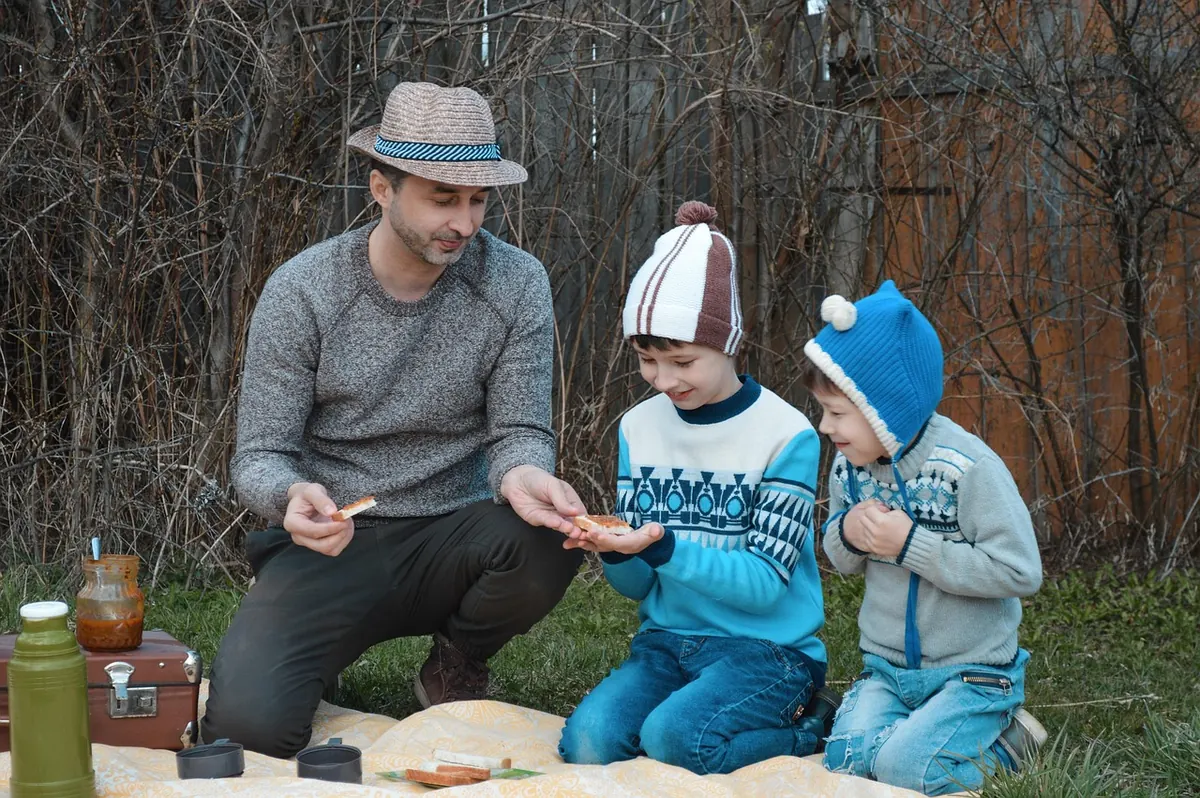
The British family barbecue is a fragile piece of engineering. It runs on charcoal, warm lager and the unspoken agreement that nobody mentions politics until at least the second round of sausages. The monarchy is the one topic guaranteed to test that agreement, because it isn't really a debate. It's a family history, a set of childhood memories and a running argument about what the country is, all stapled to a paper plate.
What follows is a practical guide. It won't tell you what to think. It will tell you how to reach the end of the afternoon with your relationships and your sausages intact.
Know the guest list before the coals are lit
Every barbecue has a fixed cast, and you can usually identify them before the first burger hits the grill. Knowing who you're dealing with is most of the work.
- The Loyalist Uncle. Owns a flag, mentions the tourist trade, and refers to the Coronation as though you were both there.
- The Republican Cousin. Back from a city break, has read one article, and has been waiting since March to deploy it.
- The Fence-Sitter. Opens with "I'm not really bothered either way" and then speaks uninterrupted for eleven minutes.
- The Historian. Wants to talk about Charles I. Will get there eventually, whatever the starting point.
- Nan. Has a commemorative plate, a firm view, and the moral authority to end any conversation she likes.
- The Eight-Year-Old. Asks why there's a king at all, and is the only person asking a genuinely difficult question.
The Eight-Year-Old is the one to watch. Nobody in the garden has a decent answer ready, and that silence is where arguments begin.
The sausage doctrine
Timing matters more than logic. A constitutional argument that starts while the food is still raw will outlast the food, the coals and possibly the neighbours' goodwill. Follow these rules.
- Nothing political before the first sausage is served. Hungry people are not reasonable people.
- Whoever holds the tongs sets the topic. This is the oldest rule of the British garden and the only one consistently enforced.
- If the debate starts, the host eats last. Accept it. Somebody has to keep the halloumi moving.
- At the first mention of the 1990s, call time. That decade has never settled an argument in a back garden and it isn't going to start now.
- Nobody wins anything. The prize for a convincing point is having to explain it again to someone who has just come outside carrying the potato salad.
Three moves that actually work
The agree-and-widen
Find the smallest true part of what they said and agree with that. "You're right that there's a lot of ceremony." Then widen it: "I wonder if that's true of a lot of things, though. Did you see the state of the bins this week?" This isn't a trick. It's steering, and steering is what keeps a garden party moving.
The tone test
Ask yourself whether you'd say the same sentence to this person in a car, with the windows up. If not, it belongs in the group chat at midnight, where it will be read by three people and misread by two.
The tong handover
Whoever is cooking is exempt from arguing. If you're losing, take the tongs. Nobody has ever been pressed on the constitutional settlement while turning a sausage. It is the closest thing this country has to diplomatic immunity.
The traps
A handful of sentences reliably turn a mild disagreement into a fifteen-year grievance.
- "Well, if you knew anything about it." Never once in human history followed by a productive conversation.
- "You only think that because." You are now arguing about the person rather than the topic, and the person will remember it.
- Any number you can't source. Nobody at a barbecue has ever been persuaded by a figure, and nobody has ever forgotten a wrong one.
- "Anyway, what about" — followed by an entirely different country's arrangements. Comparative politics is a postgraduate topic. This is a garden.
- "I'm just saying what everyone thinks." You are not.
There is also the drink problem, in the sense that the second bottle makes everyone considerably more certain and slightly slower. If the volume rises and the sentences get shorter, treat that as your signal rather than your cue.
De-escalation, in order of escalation
- The weather. Always available, always safe, and this summer genuinely worth a paragraph.
- The dog. Redirect attention by asking whose dog it is, then stroking it. Animals do not hold constitutional opinions.
- The drink run. Stand up. Offer. You have bought ninety seconds, and possibly the whole afternoon.
- The tactical plate move. "Right, who's for pudding?" is the most powerful sentence in the language. Use it early.
- The honest exit. If it is genuinely turning nasty — if somebody's divorce or somebody's mum has come up — say plainly that you'd rather not do this today. That is allowed. It is not a defeat.
What to do with the argument once you've won it
You haven't. There is no such thing here and there never will be, which is rather the point. People change their minds at roughly the pace of a slow-cooked brisket: usually a week later, in private, and never at the moment you produce your best line. So aim for something smaller. Leave everyone able to say goodbye properly, keep the silly bits, and let the disagreement be something you do together rather than something you do to each other.
If a guest wants to make a serious point, let them make it. Then let it sit. The garden is not a debating chamber, and the sausages are getting cold.
The clearing-up doctrine
The washing-up decides how the day is remembered, so send your wittiest and most forgiving relative to the sink with the plates. Stack, soak, and say something warm about the afternoon, even if the afternoon included a spirited discussion of the tourist trade.
Nobody gets the last word. That's the deal that keeps a family barbecue going for another year, and it is a considerably better constitutional arrangement than most.
Photo: Sunriseforever / Pixabay